


Can Politics Affect Your Home Renovation Decision? Why Now Is the Perfect Time to Start
Politics can make people pause. Elections, policy changes, headlines about the economy, and talk about interest rates can all make a homeowner wonder, “Should I wait before renovating?”
That question is fair. A home renovation is personal, practical, and financial. It affects daily life. It affects comfort. It affects how a family uses the space every morning, every evening, and every weekend.
But here is the encouraging truth: politics may influence the mood around renovation, but it does not have to control the decision.
If there is a kitchen you have outgrown, a bathroom that no longer works, a basement sitting unused, or a home office you keep promising yourself, waiting for the “perfect” national moment can turn into years of delay. The better move is to make a smart plan, understand what you can control, and start the renovation you have been putting off.

Politics can affect confidence, but your home still has real needs
It is easy to connect big national events with personal decisions. When the news feels uncertain, people often hold back on major purchases, projects, and long-term plans. That is not unusual. Renovation decisions can feel heavier when the public conversation is focused on inflation, housing, building costs, taxes, or changing regulations.
So, can politics affect your home renovation decision? Yes, in a few indirect ways.
Political decisions can influence:
Building codes and energy standards
Local permit rules
Tax credits or rebates for certain improvements
Import costs on some materials
Consumer confidence
Labor availability in some regions
Overall economic mood
Those things matter. But they are not the whole story.
A roof leak does not wait for election season to pass. A cramped kitchen does not become easier to use because the headlines are calmer. An outdated bathroom does not suddenly work better after another year of delay.
Your home is where life happens now. If the space is no longer supporting your routines, comfort, safety, or future plans, that need is not political. It is personal and practical.
The goal is not to ignore the outside world. The goal is to stop letting uncertainty freeze a decision that could improve everyday life.
Waiting for the perfect time can cost more than starting wisely
Many homeowners delay renovations because they hope prices will fall, rates will improve, or the economy will feel more predictable. Sometimes waiting makes sense, especially if a household needs time to save, compare estimates, or clarify the scope of work.
But waiting without a plan can create its own problems.
Small issues can grow. A minor water problem behind a wall can become a bigger repair. Old wiring may limit how safely and comfortably a home functions. Poor insulation can keep raising utility bills. A layout that no longer fits can add stress to everyday routines.
The “wait and see” approach often feels safe, but it can quietly keep a home stuck.
A better approach is start with planning, not panic. Planning does not mean knocking down walls tomorrow. It means taking the first real steps:
Decide what you want to change
Learn what the project may involve
Speak with qualified professionals
Understand permits and timelines
Set a realistic budget range
Choose what matters most
Once those pieces are clear, the decision becomes less emotional and more manageable.
Renovating does not have to be rushed. It can be thoughtful, phased, and steady. That is often the best way to move forward during uncertain times.

Focus on what you can control
No homeowner can control elections, trade policy, national labor trends, or the next round of economic headlines. That can feel frustrating. Yet a successful renovation rarely comes from controlling everything. It comes from making good decisions inside your own project.
Here are the areas you can control right away.
You can control the scope
A renovation does not have to include every dream feature at once. You can separate must-haves from nice-to-haves.
For example, a kitchen project might include:
Replacing damaged cabinets
Improving lighting
Adding better storage
Keeping the existing appliance locations
Saving the wall removal for a later phase
That kind of scope control can make a project more realistic without giving up the bigger vision.
You can control the timing
Some projects work better during certain seasons, but most homeowners have more timing options than they think. Interior work can often happen year-round. Planning in advance can help you avoid rushed decisions and last-minute material choices.
If you want a spring or summer project, winter can be a smart time to plan. If you want work completed before the holidays, early conversations matter.
The best time to begin is often before you feel fully ready, because planning takes time.
You can control the team
A good contractor, designer, or remodeling professional can help you understand what is realistic. They can also explain which choices affect cost, schedule, and complexity.
Look for clear communication, written estimates, proper licensing where required, and project experience that matches what you want done. A trustworthy professional will not pressure you into more than you need. They will help you make smart choices.
You can control the priorities
Every renovation has tradeoffs. One homeowner may care most about durable materials. Another may prioritize storage, accessibility, energy savings, or resale appeal.
When priorities are clear, the project feels less overwhelming. It also becomes easier to say yes to the right things and no to the extras that do not matter.
Renovation can be a positive choice during uncertain times
Politics often creates a wait-and-worry mindset. Renovation can do the opposite. It gives homeowners something constructive to shape, improve, and enjoy.
That does not mean pretending everything is perfect. It means choosing progress where progress is possible.
A home project can bring real benefits:
More comfort A better layout, brighter lighting, improved temperature control, or updated fixtures can make daily life easier.
Better use of space A finished basement, built-in storage, or redesigned kitchen can help the home support the way people actually live.
Improved safety Old flooring, poor wiring, aging stairs, broken fixtures, or moisture problems can create risks. Renovation can correct them.
Energy improvements Better windows, insulation, appliances, HVAC updates, and sealing can reduce waste and improve comfort.
Long-term enjoyment Some upgrades pay off every single day, even if they are not the flashiest choices.
There is also an emotional benefit that does not always show up on a spreadsheet. A home that feels cared for can change how people feel when they walk through the door. It can make mornings smoother, evenings calmer, and weekends more enjoyable.
That is a valid reason to renovate.

Some projects are especially worth starting now
If politics or economic uncertainty makes a full renovation feel too big, choose a project with a clear daily benefit. These upgrades often make a strong impact without requiring a whole-house remodel.
Kitchen improvements
The kitchen carries a lot of daily pressure. Even small changes can help.
Good starting points include better lighting, improved storage, updated counters, new cabinet hardware, a smarter pantry, or replacing worn surfaces. If the layout works, you may not need a full gut renovation to feel a major difference.
If the layout does not work, planning now can help you understand what is possible before committing to construction.
Bathroom updates
Bathrooms age quickly because they handle moisture, heat, and heavy use. Updating a bathroom can improve comfort and prevent bigger maintenance issues.
Consider replacing old fixtures, improving ventilation, adding better lighting, updating tile, or making the space easier to use as needs change.
Basement finishing
An unfinished basement can become a family room, guest area, workout space, hobby room, playroom, or quiet retreat. Since many basements already have a large footprint, finishing the space can add useful square footage without building an addition.
Moisture control, insulation, lighting, and code requirements are key, so this is a project where good planning matters.
Home office or flex space
Remote and hybrid work changed how many homes function. Even for those who do not work from home full time, a flexible room can serve many purposes: bills, homework, hobbies, reading, video calls, or storage.
A renovation does not always need to be large. Sometimes creating one calm, useful room makes the whole home feel better.
Exterior repairs and curb appeal
Siding, roofing, gutters, windows, doors, decks, and drainage can protect the home from weather. These projects may not feel as exciting as a new kitchen, but they can prevent damage and improve the home’s appearance.
If an exterior issue is already visible, waiting rarely helps.
A renovation plan can reduce stress
Uncertainty feels worse when there is no plan. Once you put details on paper, the project becomes easier to understand.
A simple renovation plan should answer five questions.
Question | Why it matters |
What problem are we solving? | Keeps the project focused on real needs. |
What is the ideal result? | Helps guide layout, materials, and design choices. |
What is the budget range? | Creates boundaries before major decisions begin. |
What can wait? | Makes phasing possible if needed. |
Who will do the work? | Reduces risk and improves accountability. |
This plan does not need to be perfect at first. It just needs to be honest.
For example, “We need a bigger kitchen” may become “We need more counter space, better lighting, storage for small appliances, and a place for two people to cook without bumping into each other.”
That level of clarity leads to better decisions.
Do not let the news choose your home’s future
The news cycle changes constantly. One week brings concern about prices. Another brings talk about housing, labor, energy, or taxes. If every headline becomes a reason to delay, the renovation may never happen.
A healthier mindset is to watch trends without becoming trapped by them.
Pay attention to:
Local permit requirements
Material lead times
Contractor availability
Energy rebates that may apply
Financing terms if you plan to borrow
Seasonal weather concerns
The true condition of your home
Then bring the focus back to your own life.
Is the project needed?
Will it improve daily comfort?
Can it be planned responsibly?
Do you have the right help?
Can it be phased if needed?
If the answer is yes, moving forward can be a smart and positive decision.
Renovation does not have to be all or nothing
One of the biggest reasons people delay is that the dream feels too expensive, too disruptive, or too complicated. But many successful renovations happen in phases.
A phased approach might look like this:
Repair what is urgent
Improve the layout or structure
Update major systems if needed
Install core finishes
Add custom details later
This can work well for kitchens, bathrooms, basements, outdoor spaces, and whole-home updates. It allows progress without forcing every decision at once.
Phasing also gives homeowners time to live with changes and refine later choices. A renovation should support real life, not create unnecessary pressure.
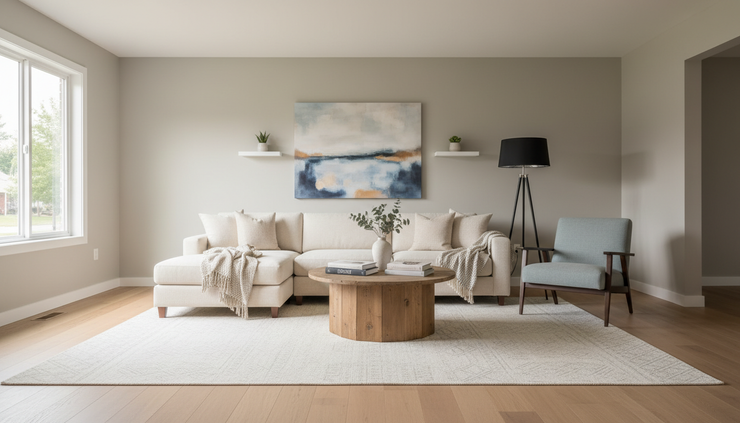
The best reason to renovate is still your quality of life
Political seasons come and go. Policies shift. Markets rise and fall. Public debates change direction. Through all of that, the home remains the place where everyday life unfolds.
That is why renovation decisions should not be based only on fear of what might happen next. They should be based on the condition of the home, the needs of the people living there, and the value of improving daily life.
If you have been waiting for permission to start, this is it: you can move forward thoughtfully, even when the world feels uncertain.
Start with a conversation. Walk through the space. Write down what is not working. Gather ideas. Ask questions. Learn what the project will take. You do not have to decide everything at once.
The renovation you have been waiting for may be more possible than it feels right now. Politics can affect the background noise, but it does not have to decide the future of your home. A clear plan, the right priorities, and steady action can turn hesitation into progress.
Your home should work for the life you are living. If it does not, now is a good time to begin changing that.


Comments