


Built a New Shed or Buy a New Shed Which Option is Best for You
When you need extra storage or a workspace, deciding whether to build a new shed or buy one can be challenging. Both options have clear advantages and drawbacks. Understanding these can help you make the best choice for your needs, budget, and timeline. This post explores the key factors to consider, practical examples, and tips to guide your decision.
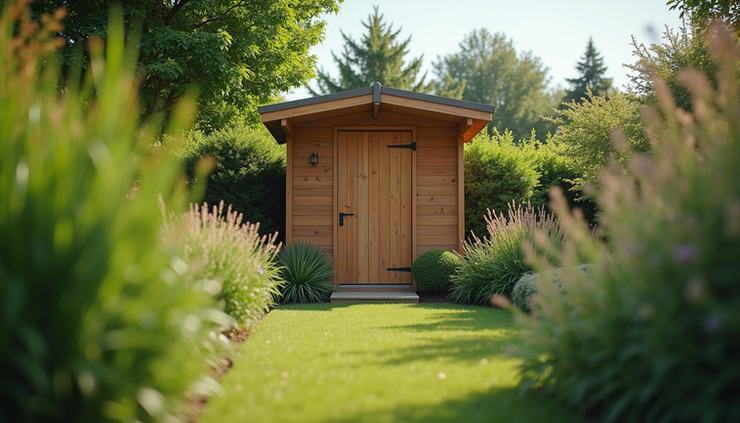
Understanding Your Needs and Space
Before choosing to build or buy, assess what you need from the shed:
Purpose: Will it be for storage, a workshop, or a hobby space?
Size: How much room do you need? Consider the items or activities planned.
Location: Where will the shed go? Check for space constraints and local regulations.
Aesthetics: Do you want the shed to match your home or garden style?
Knowing these details helps narrow down options and avoid costly mistakes.
Advantages of Building a New Shed
Building your own shed offers several benefits:
Customization
You control every detail, from size and layout to materials and finishes. This is ideal if you want a unique design or specific features like windows, shelving, or electrical wiring.
Material Quality
You can choose high-quality materials that last longer or match your climate needs. For example, pressure-treated wood resists rot in damp areas.
Cost Control
Building yourself can save money if you have the skills and tools. You avoid paying for factory labor and markup.
Satisfaction and Learning
Completing a shed build can be rewarding and improve your DIY skills.
Challenges of Building
Time and Effort
Construction takes time, especially if you are new to building. It can take several weekends or more.
Skill Requirements
Basic carpentry knowledge is necessary. Mistakes can lead to structural problems or wasted materials.
Permits and Codes
You may need permits depending on your location. Research local building codes before starting.
Advantages of Buying a New Shed
Purchasing a ready-made shed or a kit has its own strengths:
Speed
You get the shed quickly, sometimes the same day or within a week.
Ease
Kits come with instructions and pre-cut parts, making assembly simpler than building from scratch.
Warranty and Support
Many manufacturers offer warranties and customer support for repairs or questions.
Variety
You can choose from many styles, sizes, and materials, including metal, plastic, or wood.
Challenges of Buying
Limited Customization
You may not find a shed that perfectly fits your needs or style.
Quality Variations
Some kits use cheaper materials to cut costs, which can affect durability.
Delivery and Assembly
Large sheds may require professional assembly or multiple people to help.
Cost Comparison
Costs vary widely depending on size, materials, and location, but here are rough estimates:
| Option | Typical Cost Range | Notes |
|------------------|----------------------------|-----------------------------------|
| Build Your Own | $500 to $3,000+ | Depends on materials and tools |
| Buy a Kit | $700 to $4,000 | Includes pre-cut parts and hardware|
| Buy Pre-Built | $1,500 to $6,000+ | Delivered and sometimes installed |
Building can be cheaper if you already own tools and have skills. Buying kits or pre-built sheds is more convenient but may cost more upfront.
Material Choices and Durability
The material affects the shed’s lifespan and maintenance:
Wood
Classic look, good insulation, but needs regular painting or staining to prevent rot.
Metal
Durable and low maintenance, but can rust and may not insulate well.
Plastic/Resin
Lightweight, weather-resistant, and easy to clean, but less sturdy for heavy use.
Building your own shed lets you pick the best material for your climate and use. Buying kits limits you to what the manufacturer offers.
Time and Effort Involved
Building
Expect several days to weeks depending on complexity. You handle everything from foundation to roofing.
Buying a Kit
Assembly usually takes a day or two with clear instructions.
Buying Pre-Built
Delivery and setup can be done in hours, sometimes by professionals.
If you need a shed quickly, buying is the better option. If you enjoy projects and have time, building can be more satisfying.
Practical Examples
Example 1: John’s Workshop Shed
John wanted a 12x16 ft workshop with electrical outlets and custom shelving. He built his shed over three weekends using quality cedar wood. The result matched his needs perfectly and cost $2,200 in materials.
Example 2: Sarah’s Garden Storage
Sarah needed a small 8x10 ft shed for garden tools. She bought a resin kit for $900, assembled it in one day, and appreciated the low maintenance.
Example 3: The Martins’ Pre-Built Shed
The Martins wanted a large storage shed quickly. They purchased a pre-built metal shed for $4,500, delivered and installed within two days.
Tips for Making Your Decision
Assess your skills and time availability
If you lack carpentry skills or time, buying is safer.
Set a clear budget
Include tools, materials, delivery, and assembly costs.
Check local regulations
Some areas require permits or have size limits.
Think about future needs
Will you want to expand or modify the shed later?
Consider resale value
A well-built shed can add value to your property.
Maintenance Considerations
Building your own wooden shed means regular upkeep like painting or sealing.
Metal sheds need rust checks and occasional cleaning.
Plastic sheds require minimal maintenance but can fade over time.
Plan for maintenance costs and effort when choosing materials and construction methods.


Comments